Getting a tattoo is often an exciting decision, but what happens when you want it removed? Laser tattoo removal has become the gold standard for erasing unwanted ink, but one critical question remains at the forefront of many people’s minds: is it safe for all skin types? Understanding how different skin tones react to laser treatment is essential before committing to the removal process. Let’s explore what you need to know about laser tattoo removal and skin type compatibility.
Understanding How Laser Tattoo Removal Works
Laser tattoo removal uses concentrated light beams to break down ink particles embedded in your skin. The laser targets the pigment in the tattoo, fragmenting it into smaller pieces that your body’s immune system can naturally eliminate over time. Different wavelengths of light are used depending on the ink colors and your skin characteristics.
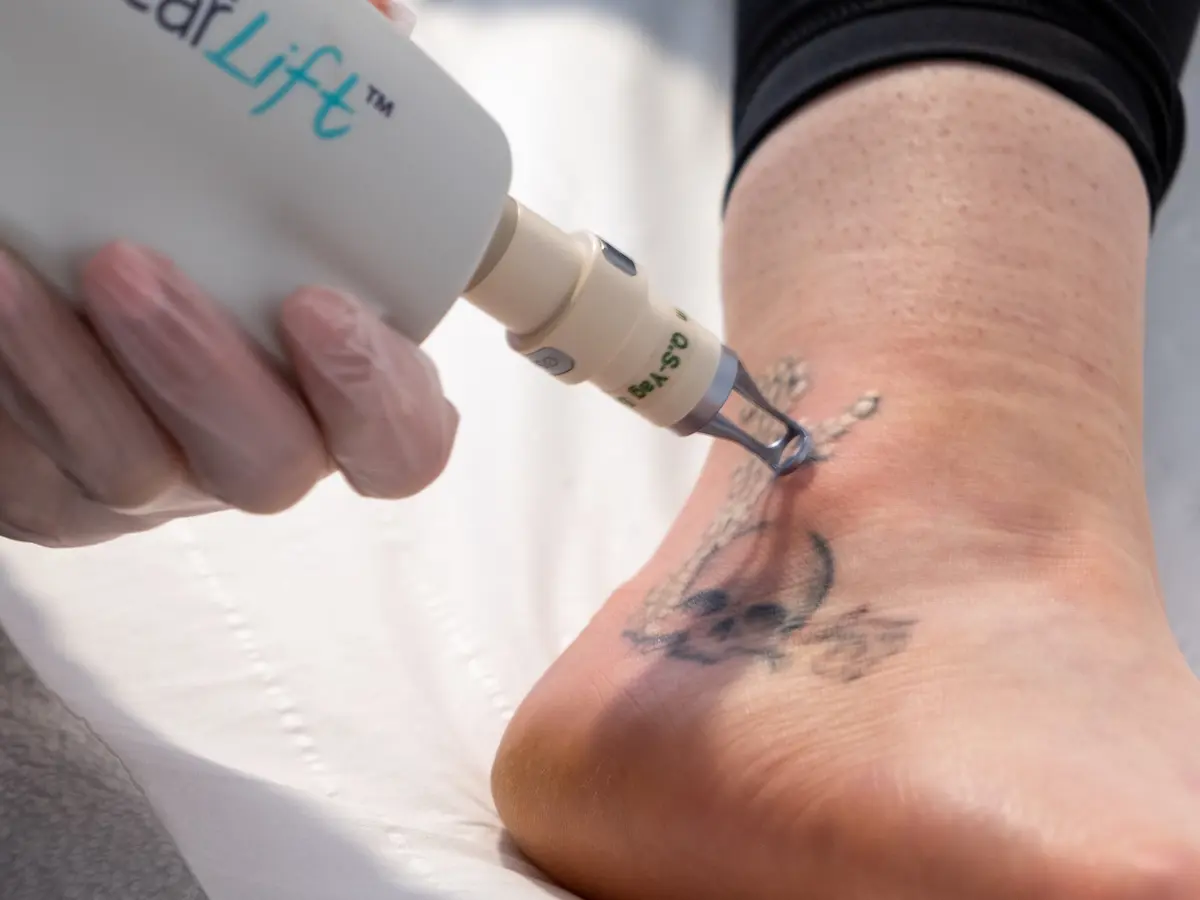
The process typically requires multiple sessions spaced several weeks apart. Each treatment gradually fades the tattoo until it becomes barely visible or completely disappears. The technology has advanced significantly over the past decade, making it more effective and safer than ever before.
The Fitzpatrick Scale and Skin Type Classification
Dermatologists use the Fitzpatrick Scale to classify skin types from I to VI, ranging from very fair skin that always burns to very dark skin that never burns. This classification system helps practitioners determine the safest and most effective laser settings for each individual. Understanding where you fall on this scale is the first step in assessing your candidacy for tattoo removal.
Types I through III generally have lighter skin tones with less melanin, while types IV through VI have progressively darker skin with more melanin. The amount of melanin in your skin directly impacts how the laser interacts with both your natural skin tone and the tattoo ink.
Risks and Considerations for Darker Skin Tones
Historically, laser tattoo removal posed greater risks for individuals with darker skin tones. The laser could sometimes struggle to distinguish between the melanin in the skin and the tattoo pigment, potentially causing hypopigmentation, hyperpigmentation, or even scarring. These complications made many people with darker complexions hesitant to pursue treatment.
However, modern laser technology has dramatically improved safety profiles across all skin types. Q-switched lasers and picosecond lasers can now be calibrated with precise settings that minimize damage to surrounding skin while effectively targeting ink particles. When performed by experienced practitioners, the procedure can be safe for Fitzpatrick types IV, V, and VI.
Choosing the Right Laser Technology
Not all lasers are created equal when it comes to treating diverse skin types. Nd:YAG lasers with 1064nm wavelength are particularly effective for darker skin tones because they penetrate deeper while causing less surface damage. Picosecond lasers have also revolutionized the field by delivering ultra-short pulses that shatter ink more efficiently with less heat.
If you’re considering laser tattoo removal Oklahoma City, make sure to research clinics that use advanced laser systems specifically designed for various skin types. The technology matters just as much as the expertise of the person operating it.
The Importance of Choosing an Experienced Practitioner
Perhaps the most critical factor in ensuring safe tattoo removal across all skin types is selecting a qualified, experienced practitioner. A skilled technician understands how to adjust laser settings based on your specific skin type, tattoo colors, and ink depth. They’ll conduct a thorough consultation and may perform a test spot before committing to full treatment.
Look for practitioners who have extensive experience treating patients with your skin type. Don’t hesitate to ask about their training, the number of procedures they’ve performed, and their complication rates. A reputable provider will be transparent about potential risks and realistic outcomes.
No Regrets Booking Advice
What to Expect During and After Treatment
During treatment, you’ll likely feel a snapping sensation similar to a rubber band against your skin. Most clinics offer numbing options to minimize discomfort. After the session, you may experience temporary redness, swelling, or blistering, which typically resolves within a few days.
Proper aftercare is essential for all skin types but especially important for those prone to pigmentation changes. Following your practitioner’s instructions regarding sun protection, moisturizing, and avoiding certain activities will help ensure optimal healing and results.
Making an Informed Decision
Laser tattoo removal can be safe for all skin types when approached correctly. The key factors are using appropriate laser technology, working with experienced practitioners, and having realistic expectations about the process. While individuals with darker skin tones may require more conservative treatment settings and potentially more sessions, successful removal is absolutely achievable.
Before proceeding with treatment, schedule consultations with multiple providers to compare their approaches and expertise. Ask questions, voice your concerns, and ensure you feel completely comfortable with your chosen practitioner. With the right team and technology, you can safely say goodbye to that unwanted ink regardless of your skin type.
